

Quantifying Marine Biomass Decomposition

Methodological Challenges and Insights
August 1, 2024
Science Lead, Geochemistry


By submitting, you agree to Rewind's Privacy Policy

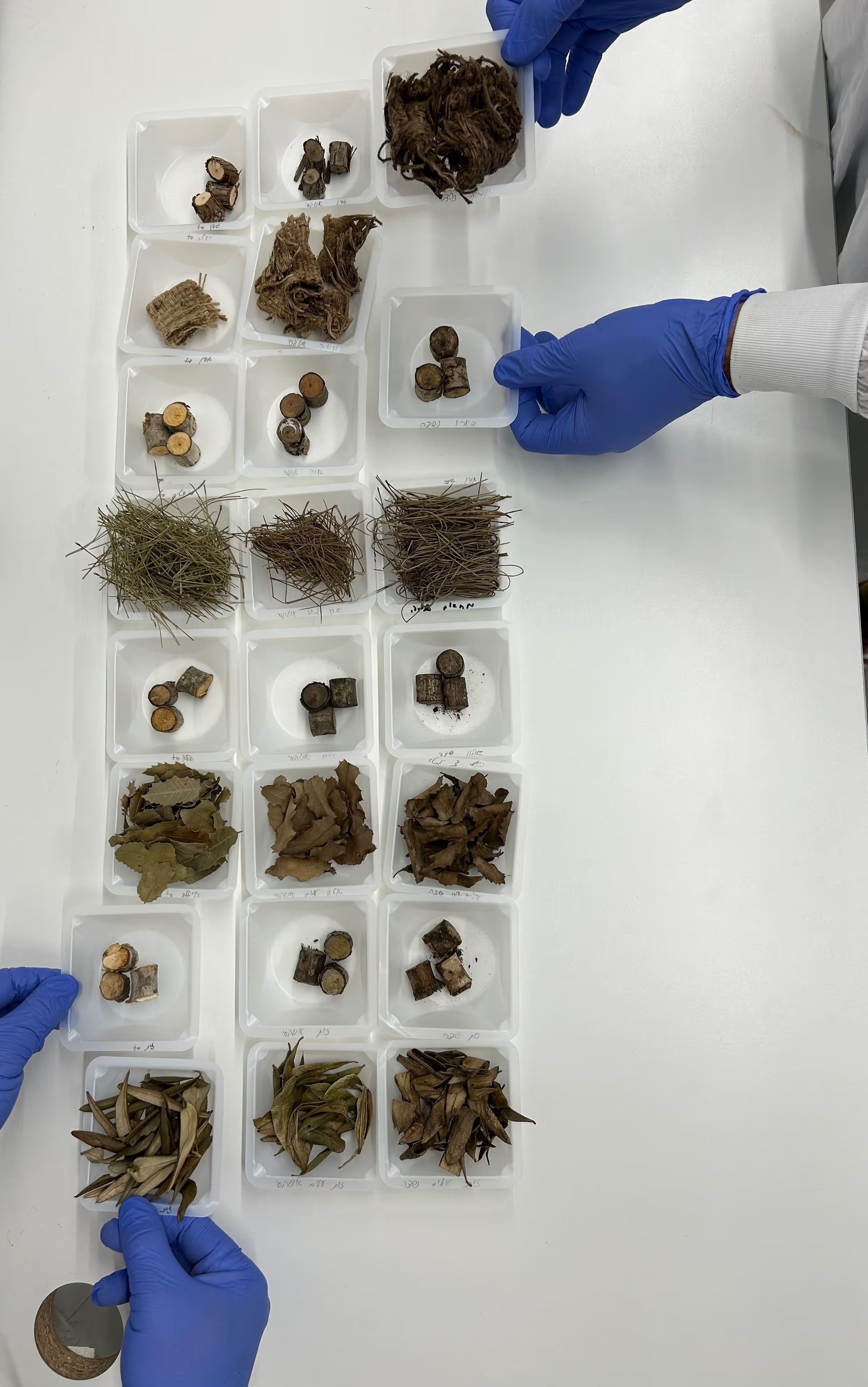
Rewind has just completed an exciting experiment to uncover how different types of biomass, like branches and leaves, break down in oxygen-free (anoxic) conditions and natural field environments. The study not only assessed biomass decomposition but also tested the chemical changes in the solution during decomposition.

The experiment employed four methods to measure biomass decomposition: dry-weight loss, total carbon comparison, sulfate concentration changes, and biomass carbon content analysis. These methods yielded different results, with the biomass carbon content analysis emerging as the most reliable. Additionally, the chemical changes observed in the solution support the environmental safety of biomass deposition in anoxic environments.

For those interested in a deeper dive into the findings, you can download the full report. It provides comprehensive insights into the methods used, the data collected, and the implications for biomass management in anoxic conditions.

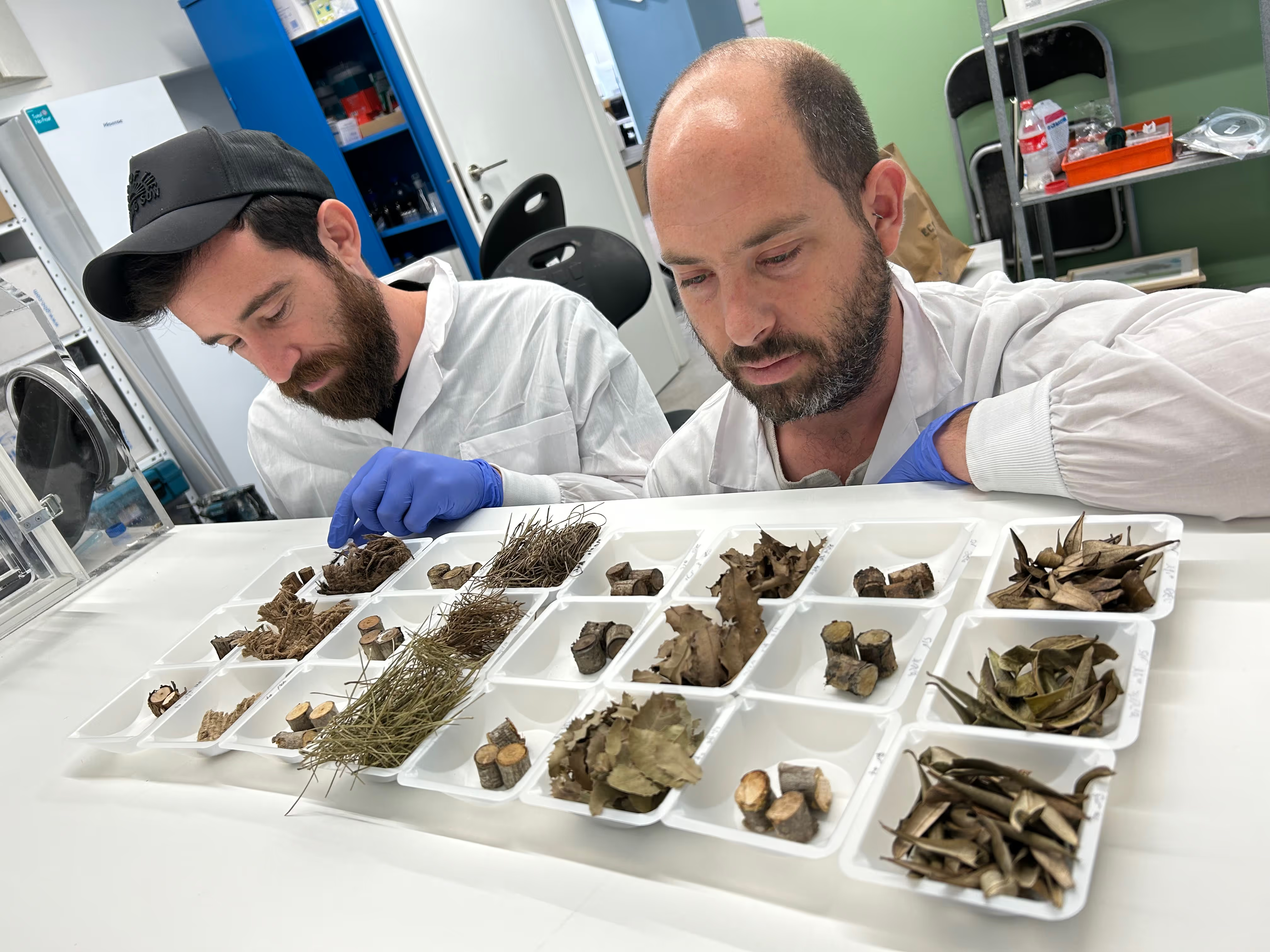
Dr. Nitai Amiel, and Haim Lahovitski looking closely at the results.

Related Posts

Rewind’s Subsurface Pathway is Now Certified

March 4, 2026

Rewind’s Subsurface Pathway is Now Certified

Announcing a New Offtake Partnership with Wild Assets

January 27, 2026

Announcing a New Offtake Partnership with Wild Assets

We’re excited to share a new partnership with Wild Assets. We’ve signed a long-term offtake for future carbon removal credits from our Deep Mine Storage project in Georgia.

High-Durability CDR Doesn’t Have to Come at a Premium

January 21, 2026

High-Durability CDR Doesn’t Have to Come at a Premium

The Biomass Storage in Subsurface Mines Module has entered public consultation, marking a significant step forward for durable carbon removal. Rewind contributed extensive scientific and operational feedback on permanence, monitoring, safety, and biomass sustainability to help shape a robust and credible new CDR methodology.