How It Works
Nature's carbon cycle, optimized
Plants naturally capture vast quantities of carbon dioxide. But when they decompose, that carbon is released back into the atmosphere. Rewind radically slows this cycle by preserving plant biomass in anoxic (oxygen-free) environments, where it can safely store carbon for thousands of years.
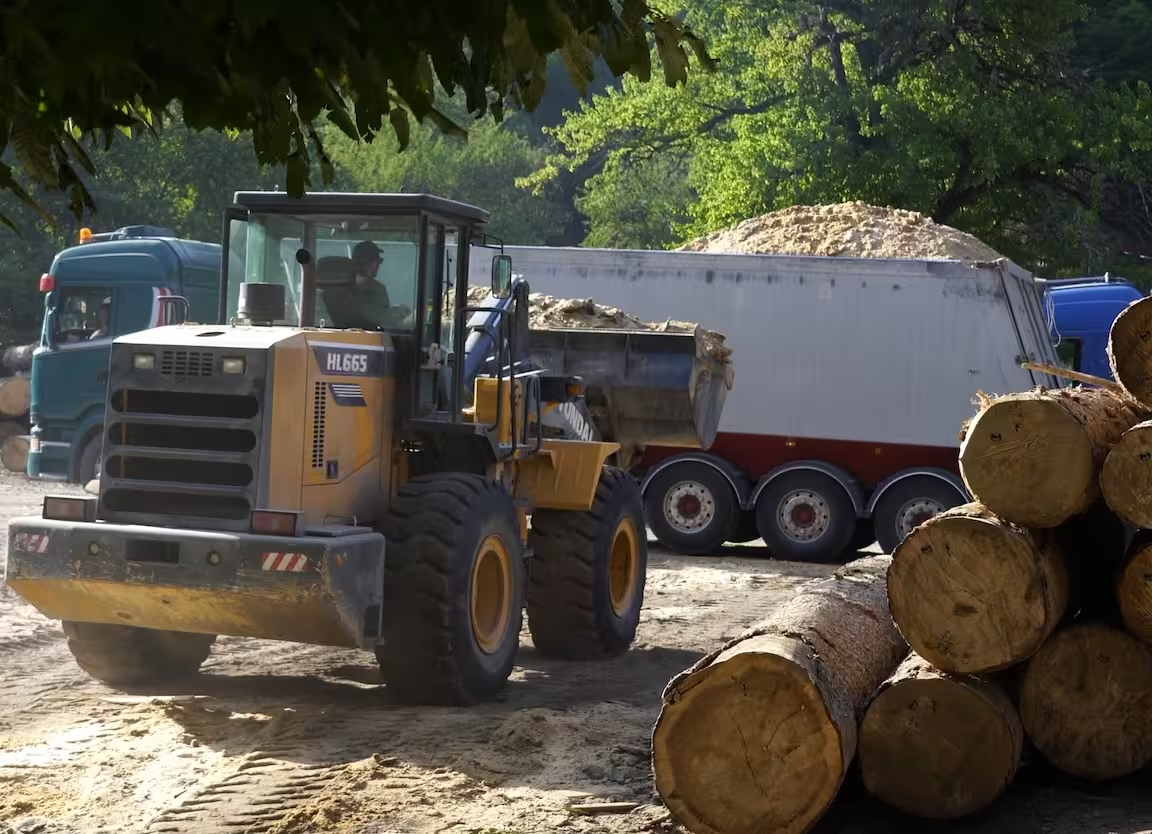
Source Biomass
Sustainably sourced wood residues, forestry waste, and agricultural byproducts from certified local supply chains. No deforestation. No competition with food or timber markets. All biomass is surplus material that would otherwise decompose or burn, releasing CO₂ back into the atmosphere.
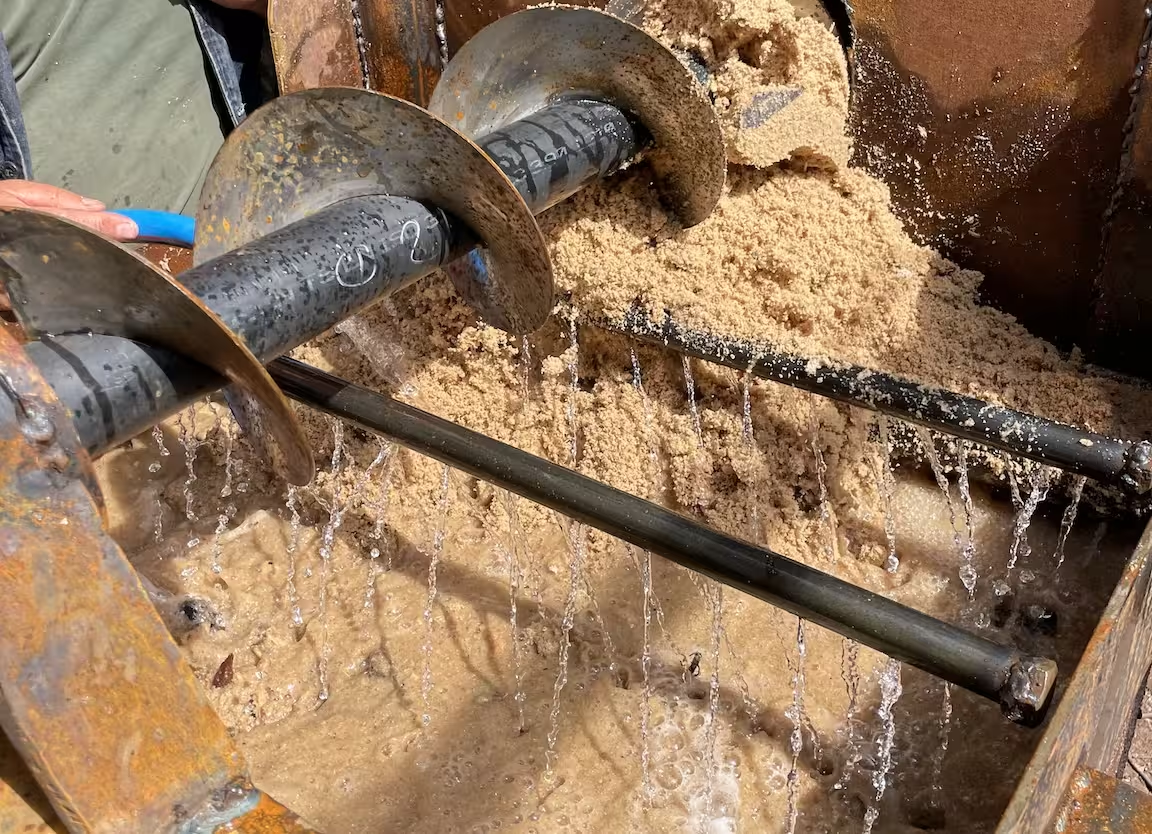
Engineer Backfill
Biomass is processed and formulated into backfill material optimized for the specific mine environment, balancing structural stability, carbon density, and reclamation requirements. Each batch is analyzed for moisture content, carbon density, and contaminants.
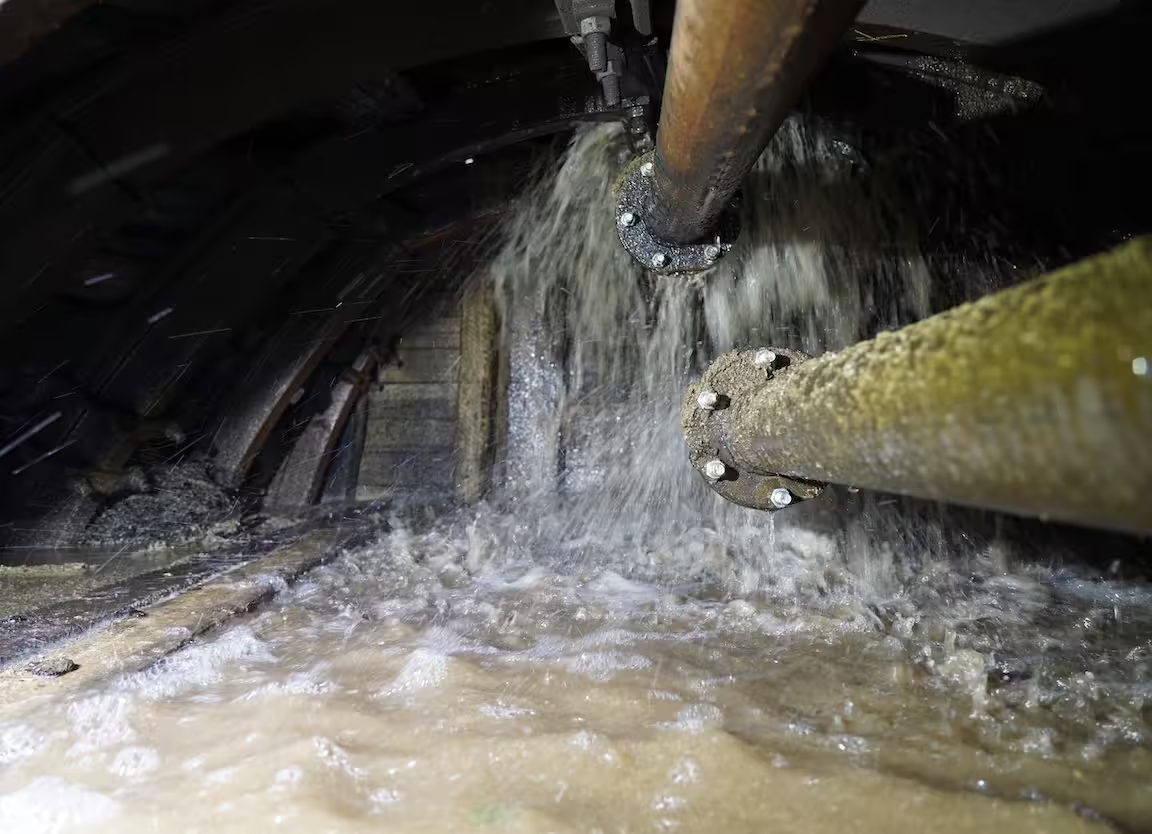
Seal in Mine Voids
Backfill is placed into mine voids and sealed, creating oxygen-free conditions that prevent decomposition. Carbon is locked in place permanently while fulfilling mine reclamation obligations. The thick geological formations above provide a natural, permanent seal.

Monitor
Continuous digital MRV (dMRV) tracks storage integrity, gas composition, and structural stability across the sealed chambers. Our monitoring platform provides live data from the storage site, monitoring for GHG concentrations including CH₄, CO₂, isotope fingerprinting, airflow, temperature and humidity.
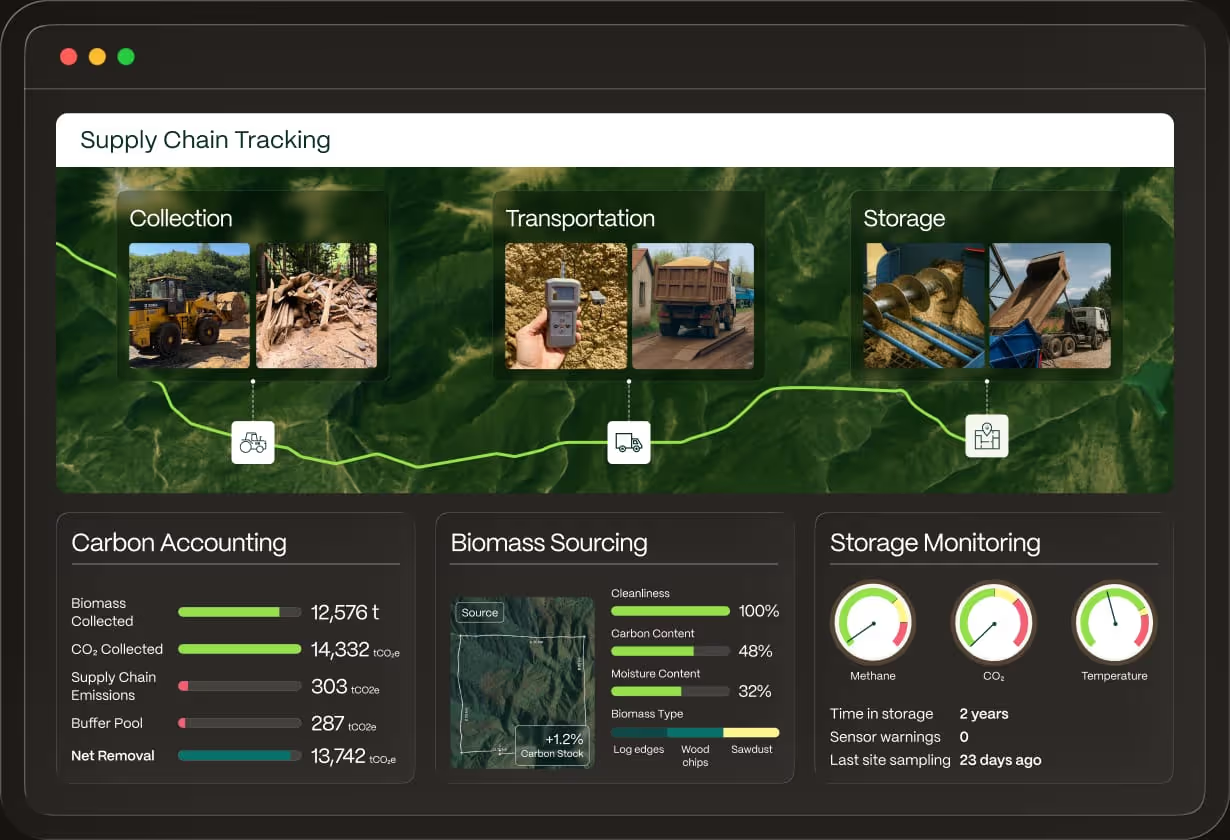
Verify & Issue Credits
Monitoring data feeds into third-party verification under Isometric's BSSM module, enabling certified carbon removal credit issuance. Every credit represents real, permanent, verified carbon removal.
The science of permanence
In anoxic conditions, plants decompose extremely slowly, effectively storing the carbon much longer. Rewind leverages two preservation layers: the natural anoxic conditions found deep in mine voids, and the deep geological separation from the atmosphere, keeping decomposition products locked inside the storage site.
Energy-efficient carbon removal
Unlike methods that burn or chemically treat biomass, Rewind's method requires only transportation and anoxic storage conditions. Studies confirm that this makes Rewind's approach one of the most energy-efficient carbon removal solutions on the market.